Ubi jus, ibi remedium.

What Constitues Domestic Violence?
A recent New York trial-court decision has expressly held that transmission of a sexually transmitted infection (STI/STD) between spouses can constitute domestic violence. That is a meaningful expansion because it moves beyond the conventional idea that domestic violence requires a physical assault. Here, the alleged harm was sexual/reproductive and medical, and the court treated the intentional or reckless transmission itself as potentially abusive.
New York’s Coerced Debt Law
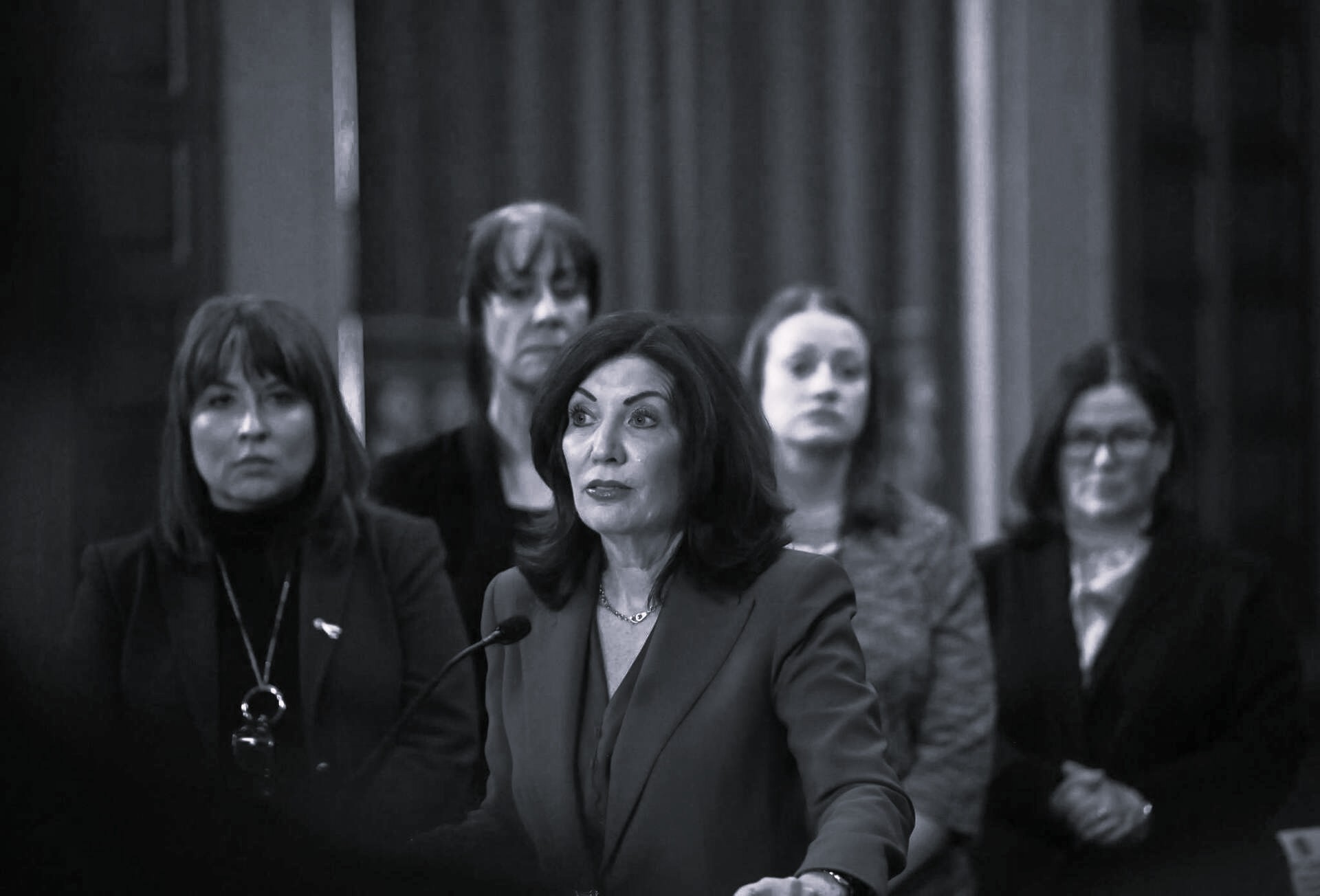
New York now has a specific coerced-debt law, and it took effect June 17, 2026. This is a significant development in the state's treatment of economic abuse as domestic violence. “Coerced debt” includes debt resulting from duress, intimidation, threats, force, coercion, manipulation, or undue influence. The statute encompasses economic abuse not only between intimate partners, but also certain relationships involving family members, children, older adults, and caregivers. That is a significant move away from viewing domestic violence solely as physical violence between two people and toward recognizing the economic infrastructure of abuse.

DARVO as a Framework
The term DARVO -- which stands for Deny, Attack, Reverse Victim and Offender -- was coined by psychologist Jennifer Freyd in 1997. Freyd has said that her observations of the Anita Hill–Clarence Thomas hearings helped inspire her thinking about the phenomenon. She had observed a recurring pattern in which someone accused of wrongdoing responds by denying it, attacking the accuser, and then portraying themselves as the victim. Courts are increasingly receptive to using it as a framework for assessing coercive control.
The Supreme Court of Canada recognizes the tort of coercive control
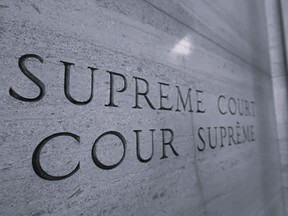
On May 15, 2026, the Supreme Court of Canada issued a landmark 6-3 decision in Ahluwalia v. Ahluwalia, officially recognizing a new civil tort of intimate partner violence centered on coercive and controlling behavior. This common law ruling allows survivors to sue an abusive partner for financial, psychological, and physical damages in civil court. The tort recognizes that abuse is often a continuous pattern over time rather than just isolated physical incidents. It covers physical and sexual violence, isolation, financial control, surveillance, humiliation, and intimidation.